
What Rancho Cucamonga Patients Need to Know
If you’ve recently had your All-on-4 dental implants placed or you’re planning the procedure, you’ve probably asked yourself, “Can I drink alcohol after getting All-on-4 implants?” It’s one of the most common questions our patients ask Dr. Jay Stockdale at Renaissance Dental Care in Rancho Cucamonga, CA. The answer isn’t a simple yes or no. It depends on where you are in your recovery, how much you drink, and whether you’ve been cleared by your dentist.
This guide gives you a complete, honest picture of how alcohol affects All-on-4 dental implants—from the first 72 hours post-surgery all the way through long-term implant maintenance. If you’re searching for an All-on-4 dentist near you in Rancho Cucamonga, Riverside, San Bernardino, Ontario, or Diamond Bar, we’re here to help you protect your investment and your smile.
Ready to speak with Dr. Stockdale? Call Renaissance Dental Care at (909) 297-1921 or schedule a consultation online.
What Is All-on-4? A Quick Refresher
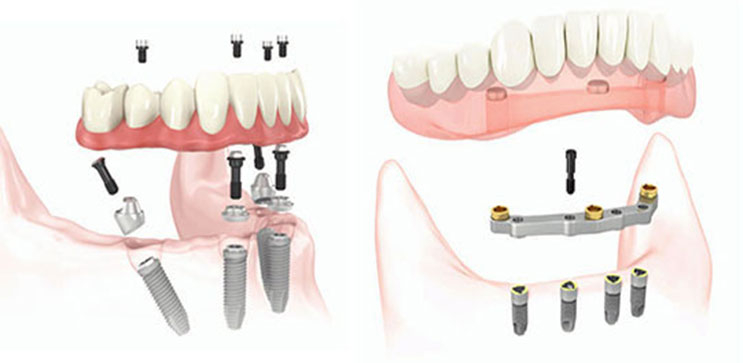
All-on-4 is a full-arch dental implant procedure that replaces an entire row of teeth using just four strategically placed titanium implants. Two implants anchor at the front of the jawbone, and two are angled at the back to maximize contact with available bone—no bone grafting required in most cases.
Unlike removable dentures, All-on-4 implants are fixed permanently in your mouth. The arch of replacement teeth screws directly into the four implants, distributing bite force evenly and mimicking the feel and function of natural teeth. With a cumulative prosthetic survival rate of 98.8%, All-on-4 is one of the most clinically validated tooth replacement solutions available today.
That level of success, however, depends heavily on the healing process—and that’s exactly where alcohol enters the conversation.
How Long Should You Avoid Alcohol After All-on-4 Surgery?
This is the most searched question on this topic, and it deserves a direct answer—not a vague “check with your dentist.” Here’s the clinically recommended timeline:
| Recovery Phase | Timeframe | Alcohol Guidance |
| Immediately Post-Op | Days 1–3 (72 hrs) | NO alcohol—blood clot formation is critical; alcohol thins blood and raises bleeding risk. |
| Early Healing | Days 4–14 | NO alcohol—gum tissue is still closing; dry socket risk remains. Medications are active. |
| Intermediate Healing | Weeks 2–6 | AVOID if possible—osseointegration has begun; alcohol impairs bone-cell activity. |
| Active Osseointegration | Months 2–6 | LIMIT strictly—bone fusing with implant; heavy drinking is linked to 3× higher peri-implantitis risk. |
| Full Healing (Cleared by Dr.) | 6+ months | Moderate consumption is generally acceptable. Maintain hygiene diligently. |
All-on-4 involves more surgical complexity than a single implant—you’re healing multiple implant sites, gum tissue, and, in many cases, bone that has been manipulated. That’s why the abstinence period for All-on-4 patients is generally longer than for single-implant patients. If your procedure included bone grafting, your dentist may recommend avoiding alcohol for three to six months.
Most dental professionals recommend a minimum of 72 hours, with the safest target being two full weeks before reintroducing any alcohol. After that, only light, moderate consumption—and only once you’ve been cleared by Dr. Stockdale.


Potential Concerns with Alcohol and All-on-4 Implants
1. Alcohol Disrupts Blood Clot Formation and Raises Dry Socket Risk
In the first hours after All-on-4 surgery, your body works to form stable blood clots at each implant site. These clots are the foundation of healing—they protect exposed bone and tissue from bacteria. Alcohol is a blood thinner. Even one drink can inhibit clot formation, cause bleeding to restart, or dislodge a clot that’s already formed.
When a clot is dislodged, the result is a dry socket—a painful condition where the bone and nerves are exposed to air, food, and bacteria. Dry socket is miserable, delays healing significantly, and requires a return visit to your dentist. In All-on-4 patients, dry socket at multiple sites simultaneously can seriously compromise the outcome of the entire procedure.
2. Alcohol Slows Osseointegration—the Most Important Part of Implant Success
Osseointegration is the process by which the jawbone grows around and fuses with the titanium implants. This is what makes All-on-4 permanent and stable. It takes three to six months, and it is the biological miracle that makes the whole procedure work.
Alcohol interferes with osseointegration in two ways. First, it constricts blood vessels, reducing the oxygen and nutrient supply to the implant site—essentially starving the bone cells trying to grow. Second, excessive drinking produces high levels of acetaldehyde, a compound that suppresses osteoblast activity (bone-building cells) while simultaneously stimulating osteoclasts (bone-destroying cells). This creates a net loss of bone density at the exact time you need bone to be growing.
A 2026 meta-analysis found that heavy alcohol intake is significantly associated with increased implant failure rates, while light to moderate consumption had a more complex relationship with bone density. The clinical takeaway: heavy drinking and implants don’t mix, and even moderate drinking during active osseointegration carries measurable risk.
3. Avascular Necrosis (AVN): The Complication Most Patients Don't Know About
One of the most serious and least discussed alcohol-related complications after All-on-4 surgery is avascular necrosis (AVN). AVN occurs when the blood supply to the jawbone is cut off so severely that bone tissue begins to die. The result is a brittle, weakened jawbone that can no longer support the implants, and the damage is often irreversible.
Excessive alcohol consumption in the weeks following surgery is a documented trigger for AVN because it disrupts the formation of new blood vessels that the bone needs to survive. If you’re in recovery and drinking heavily—even on what feels like a special occasion—you’re taking a real risk that no celebratory drink is worth.
4. Alcohol Weakens Your Immune System at the Worst Possible Time
Your body’s immune system is your primary defense against post-surgical infection. After All-on-4 surgery, you need every bit of that defense working at full capacity. Alcohol suppresses immune function, leaving you more susceptible to bacterial infection at the implant site—the kind that, if not caught early, leads to peri-implantitis.
Peri-implantitis is the implant equivalent of gum disease: a chronic infection around the implant that causes progressive bone loss and, if untreated, implant failure. A retrospective study found that heavy alcohol consumption raised the risk of peri-implantitis by nearly three times compared to non-heavy drinkers. It is one of the leading causes of late-stage implant failure.
5. Dry Mouth, Plaque, and Gum Inflammation
Alcohol is a diuretic—it causes your body and oral tissues to lose moisture. Saliva is your mouth’s natural cleaning system, neutralizing acids and washing away bacteria. When alcohol dries out your mouth and suppresses saliva production, bacteria multiply faster, plaque accumulates around the implants, and your gum tissue becomes inflamed.
This is a problem not just post-surgery but also long-term. Patients who drink regularly and don’t compensate with rigorous oral hygiene are significantly more likely to experience gum inflammation and plaque-related complications that compromise implant stability over time.
6. Dangerous Medication Interactions
Following All-on-4 surgery, you’ll almost certainly be prescribed antibiotics and pain medications. Mixing alcohol with antibiotics like metronidazole can cause severe nausea, vomiting, flushing, and heart palpitations. Mixing alcohol with opioid or prescription pain relievers risks excessive sedation, impaired breathing, and liver damage. Beyond the immediate discomfort, alcohol also reduces the effectiveness of antibiotics—the very drugs fighting off infection at your implant sites.
Rule of thumb: If you’re on any post-surgical medications, there’s no safe amount of alcohol. Full stop. Wait until your course of antibiotics and prescription pain meds is completely finished.

What About Drinking Before All-on-4 Surgery?
Pre-surgical alcohol consumption is a question many patients don’t think to ask—and it matters. Here’s why you should avoid alcohol for at least 48 to 72 hours before your All-on-4 procedure:
- Alcohol thins your blood, increasing surgical bleeding and making it harder for your dental team to control.
- It interacts with sedation and anesthesia medications, altering their effectiveness and raising the risk of complications during the procedure.
- Heavy drinking in the days before surgery impairs your immune function, setting you up for a harder recovery.
- Alcohol dehydrates your body, affecting tissue quality and healing response from day one.
Some patients also wonder whether social drinking the night before surgery is okay. It isn’t. The safest approach is to stop drinking at least 72 hours before your procedure date — and to let Dr. Stockdale know your typical alcohol intake during your consultation so he can tailor your pre-op and post-op plan accordingly.
Long-Term Alcohol Use and All-on-4 Implant Health
Occasional, moderate drinking after you’ve fully healed is generally not going to destroy your implants. But chronic heavy drinking is a different story. If you regularly drink more than the CDC’s moderate consumption guidelines (up to one drink per day for women, up to two for men), here’s what the research says about your implant health:
- Impaired Osseointegration: Even after healing, bone remodeling continues. Chronic alcohol use disrupts this ongoing process.
- Increased Peri-implantitis Risk: Nearly three times higher in heavy drinkers.
- Nutritional Deficiencies: Heavy drinking impairs absorption of calcium, vitamin D, and other nutrients critical to bone density and oral tissue health.
- Elevated Oral Cancer Risk: Alcohol is a recognized risk factor for oral cancer, cancers of the mouth, throat, and tongue that may require treatments that compromise implant stability.
- Weakened Gum Tissue: Chronically inflamed, dehydrated gum tissue creates less stable support around the implant base.
If you’re concerned about how your drinking habits affect your implants, the best thing you can do is be honest with Dr. Stockdale. He’s not here to judge; he’s here to help you keep your smile for a lifetime. Many patients successfully have All-on-4 implants and maintain a social drinking lifestyle; they just do so mindfully, with excellent oral hygiene and regular monitoring appointments.
Warning Signs: When to Call Your Implant Dentist
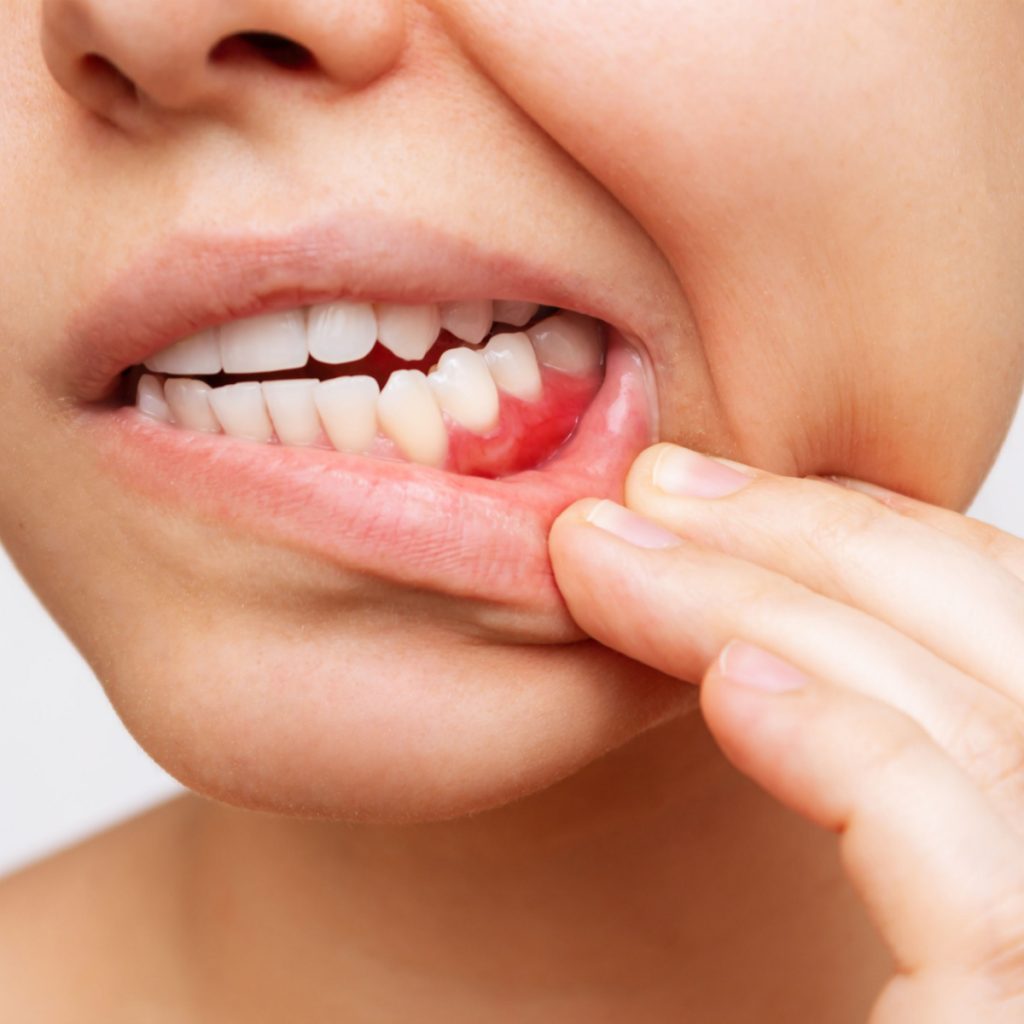
If you’ve consumed alcohol during your recovery, especially in the first two weeks, watch carefully for these warning signs. Contact Renaissance Dental Care right away if you experience any of them:
| Warning Sign | What It May Indicate |
| Redness or swelling around the implant site | Early infection or inflammation |
| Persistent pain beyond 1 week | Delayed healing; possible dry socket |
| Loose or shifting implant | Failed osseointegration |
| Foul taste or odor | Bacterial infection (peri-implantitis) |
| Bleeding that won’t stop | Blood-thinning effect of alcohol; clot disruption |
| Numbness or tingling | Nerve involvement—seek care immediately |
Don’t wait and see if symptoms resolve on their own. Early intervention is always easier, less invasive, and less expensive than treating a failed implant. If you’re looking for an All-on-4 dentist near you who is available to address post-op concerns, call our Rancho Cucamonga office at (909) 297-1921.
What to Drink Instead: Alcohol-Free Alternatives During Recovery
Recovery doesn’t mean you have to sit at home with a glass of tap water while everyone else has fun. Here are safe, implant-friendly options that actually feel like a treat:
- Sparkling Water with Fresh Citrus: The carbonation is gentle enough at this stage, and citrus adds flavor without damaging implants.
- Mocktails: Virgin mojitos, cucumber mint water, or berry lemonade let you participate socially without the alcohol.
- Herbal Teas (warm, not hot): Chamomile and peppermint are soothing and anti-inflammatory.
- Coconut Water: Naturally hydrating and mineral-rich — great for supporting healing.
- Bone Broth: High in collagen and minerals, it’s actually beneficial for post-surgical recovery.
Whatever you choose, stay hydrated. Water is your best friend during All-on-4 recovery — it keeps saliva production up, flushes bacteria, and supports every stage of healing.


Guidelines for Responsible Alcohol Consumption After Full Healing
Once your dentist has confirmed that osseointegration is complete and your implants are fully healed, typically six months after surgery, you can begin reintroducing alcohol thoughtfully. Here’s how to do it responsibly:
- Get explicit clearance from Dr. Stockdale before your first drink post-recovery.
- Choose low-acid, low-sugar options. White wine or light beer is less damaging to gum tissue than dark spirits, sugary cocktails, or high-acidity drinks like red wine.
- Never drink on an empty stomach — food buffers acidity and slows alcohol absorption.
- Rinse with water after drinking to dilute acidity and reduce bacterial buildup around implants.
- Brush and floss before bed, every time—alcohol’s drying effect means bacteria work overtime while you sleep.
- Keep regular check-up appointments at Renaissance Dental Care so we can monitor your implant health and catch anything early.
All-on-4 Implants Near You in Rancho Cucamonga and the Inland Empire
Renaissance Dental Care is one of the Inland Empire’s most trusted All-on-4 providers, serving patients from Rancho Cucamonga, Ontario, Riverside, San Bernardino, Diamond Bar, Fontana, and Upland. If you’re searching for an experienced All-on-4 dentist near you, Dr. Stockdale and our team offer the following:
- Comprehensive All-on-4 consultations with personalized recovery plans tailored to your lifestyle, including honest, non-judgmental conversations about alcohol and other habits that affect healing.
- Advanced digital imaging and treatment planning for precise implant placement and predictable outcomes.
- Post-operative care and monitoring throughout every phase of your osseointegration and recovery.
- Accessible location at 9080 Milliken Ave, Suite 100, Rancho Cucamonga, CA 91730 — easy to reach from the 210, 15, and 10 freeways.
Whether you’re just starting to explore All-on-4 or you’re a current patient with questions about your recovery, we’re here. Call us at (909) 297-1921, Monday through Friday, or schedule your consultation online today.

Frequently Asked Questions
How long do I need to avoid alcohol after All-on-4 surgery?
At a minimum, 72 hours. Most dental professionals — including our team at Renaissance Dental Care in Rancho Cucamonga — recommend avoiding alcohol for at least two weeks after All-on-4 surgery. If your procedure involved bone grafting, the recommended abstention period may be three to six months. You should receive explicit clearance from Dr. Stockdale before consuming any alcohol post-surgery.
Can I have just one drink the night after All-on-4 surgery?
We strongly advise against it. Even a single drink in the first 72 hours can thin your blood enough to disturb blood clot formation, increase bleeding, and raise the risk of dry socket. The temporary pleasure isn’t worth the potential complication. Give your implants the best possible start—wait at least 72 hours and ideally two weeks.
Does alcohol affect osseointegration (bone fusion) with All-on-4 implants?
Yes. Alcohol suppresses osteoblast activity — the bone-building process that allows your jawbone to fuse with the titanium implants. Heavy drinking during active osseointegration (the first three to six months after surgery) has been shown to significantly impair bone integration and raise the risk of implant failure and peri-implantitis.
What is a dry socket, and can alcohol cause it after All-on-4?
Dry socket occurs when the blood clot protecting your healing implant site is dislodged or dissolves prematurely, leaving bone and nerve tissue exposed. It is extremely painful and requires treatment. Because alcohol thins blood and can disrupt clot stability, drinking in the early postoperative period significantly raises your dry socket risk—especially with multiple implant sites involved in All-on-4.
What is avascular necrosis, and is it a risk with All-on-4?
Avascular necrosis (AVN) is a condition where bone tissue dies due to inadequate blood supply. Excessive alcohol consumption in the weeks following implant surgery is a documented trigger for AVN in the jawbone. If it develops, the damage may be irreversible and can lead to implant failure. It is rare but real—and entirely preventable by following post-operative alcohol guidelines.
I'm a social drinker. Can I still get All-on-4 dental implants near Rancho Cucamonga?
Absolutely. Light to moderate social drinking is not a disqualifying factor for All-on-4 candidacy. The key is being transparent with Dr. Stockdale about your habits during your consultation, following the post-surgical alcohol guidelines, and maintaining excellent oral hygiene long-term. Many of our patients in Rancho Cucamonga, Ontario, and surrounding areas enjoy a healthy social lifestyle with All-on-4 implants — they just do so mindfully.
I drank alcohol during recovery, and now I'm worried. What should I do?
Don’t panic, but do call your dentist near you right away. Contact Renaissance Dental Care at (909) 297-1921 and let us know what happened. We can examine your implant sites and determine whether any intervention is needed. The sooner we catch a potential issue, the easier it is to address. There is no judgment here — just solutions.
What are the best alcoholic drinks for people with dental implants in the long term?
Once fully healed and cleared by your dentist, lower-risk options include light beer and white wine, which are less acidic and lower in sugar than dark spirits, red wine, or sugary cocktails. Whatever you choose, always drink in moderation, rinse with water afterward, and never skip your oral hygiene routine. Your implants can last a lifetime—the habits you build around them are what make that possible.
Secure Your All-on-4 Results: Consult an Implant Specialist
Your All-on-4 implants are one of the most significant investments you’ll make in your health and confidence. Understanding how alcohol affects your recovery and making informed choices is a huge part of protecting that investment for decades to come.
At Renaissance Dental Care in Rancho Cucamonga, Dr. Jay Stockdale and our team are committed to guiding you through every stage of the All-on-4 journey—from your first consultation to your long-term check-ups. We give you real information, personalized guidance, and the kind of care that keeps your smile thriving.
Call our Rancho Cucamonga dental office at (909) 297-1921 to schedule your consultation. Our dental office is located at 9080 Milliken Ave, Suite 100, Rancho Cucamonga, CA 91730. Let’s build a smile that lasts a lifetime.